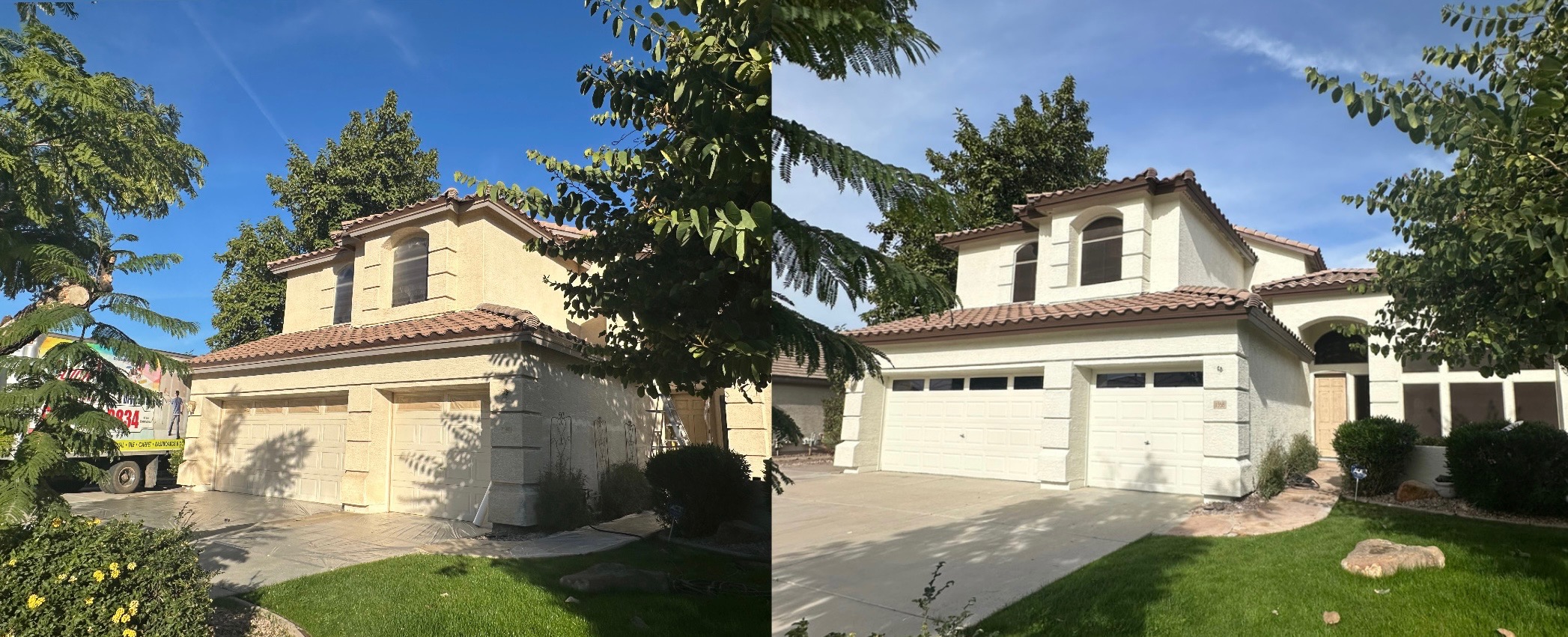
The Art of Wall Preparation: Essential Steps for Painting Success Apr 02, 2026
Before diving into the paint, start by assessing the wall's current condition. Inspect for any damage such as cracks, holes, or peeling paint. This inspection will form the foundation for your wall preparation process. By identifying these issues early, you can plan the necessary repairs and achieve a smooth surface essential for optimal paint adherence.
Next, it's crucial to gather all necessary tools and materials. This includes sandpaper, patching compounds, caulking, and primer – all of which play vital roles in the wall preparation process. Having everything on hand from the start saves time and helps maintain focus on producing a flawless finish.
Cleaning the walls is an often underestimated step yet incredibly important. Remove dirt, dust, and grease stains with a mild detergent or specialized wall cleaner. Clean walls allow primer and paint to bond better, reducing the likelihood of peeling and contributing to a long-lasting finish. Ensure you rinse the walls with clean water and let them dry thoroughly before proceeding to the next steps.
Repairing imperfections is non-negotiable in achieving a picture-perfect paint job. Use a patching compound to fill in small dents and holes. For larger gaps, employ spackle or joint compound. Once the repairs dry, sand down the surface until it is smooth and level with the surrounding area. Don't forget to sand the entire wall lightly; this helps the primer and paint grip the surface better.
Another critical step is caulking, which prevents moisture from infiltrating wall joints and corners. Apply a thin bead of caulk along seams, corners, and where two types of materials meet, such as drywall and molding. This not only seals gaps but also gives your finished paint job a cleaner, more polished appearance.
Applying primer is a step you shouldn’t skip. Primer acts as a preparatory coating before painting, ensuring uniformity and enhancing adhesion of paint to surface walls. Choose a primer based on your wall's specific needs. For instance, stain-blocking primers are ideal for walls with stains, while drywall primers are suited for new installations. Allow the primer to dry completely before moving on to painting.
Once the primer is fully set, you’re ready to paint. While tempting, do not rush this phase as patience at this stage is key to achieving optimum results. Consider using a high-quality paint for both durability and aesthetics. Apply paint in thin, even coats, and always follow the manufacturer's instructions for the best outcome.
In conclusion, wall preparation is a critically important process that sets the stage for painting success. By taking the time to correctly inspect, clean, repair, sand, caulk, and prime, you ensure that every subsequent layer, whether primer or paint, adheres properly and projects the most vibrant finish possible. At Quick Start Painting & Drywall, we believe that thorough preparation is the backbone of effective painting. A well-prepared wall not only enhances the aesthetics of your space but also ensures that the beauty lasts for years to come. Make sure you invest the time in these necessary steps to transform your environment efficiently and beautifully.
/filters:no_upscale()/filters:format(webp)/media/6a1a4c5b-3588-4d02-92d4-173448a66d70.jpeg)