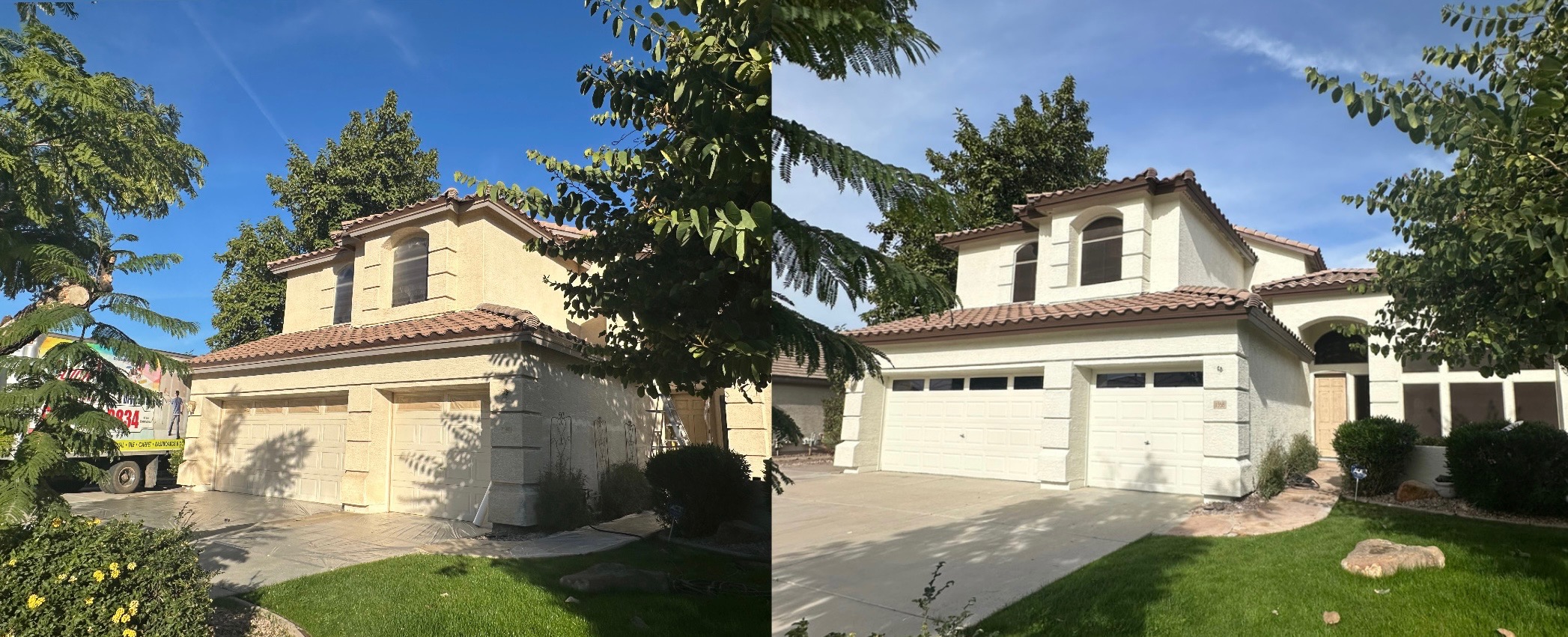
The Ultimate Guide to Preparing Your Walls for a Flawless Paint Job Mar 21, 2026
First and foremost, start with a comprehensive assessment of your walls. Carefully inspect each wall for any damages such as cracks, holes, or peeling paint. These imperfections need to be addressed before any painting commences. Repairing cracks and holes is crucial, as painting over them will only highlight the issues rather than conceal them. Use a high-quality spackle or wall repair compound to fill in the larger gaps, and a putty knife for minor imperfections. Once the compound is dry, sand it down until the surface is smooth and even with the rest of the wall.
Equally important is the task of cleaning the walls. Dust, grease, and grime can significantly affect paint adhesion, leading to premature peeling and unsightly finishes. Use a mild soap solution and a sponge to thoroughly clean each wall. Pay special attention to areas near stoves or heaters where grease and soot tend to accumulate. Once cleaned, allow your walls to dry completely before moving on to the next step. Remember, good preparation is the foundation of a quality paint job.
Priming the walls is a step that should not be overlooked, especially if the walls have stains or have been repaired. Applying a primer before painting creates a consistent base and ensures that the paint adheres properly, resulting in a more vibrant and long-lasting color. For best results, select a primer that complements the paint you will be using. If you are transitioning from a dark to a light color, a tinted primer might be necessary to provide better coverage. The primer acts as an intermediary between the wall and the paint, sealing the surface and preventing stains from bleeding through.
It is important to use the right type of paint and application tools for your specific wall conditions. Select high-quality paint that is appropriate for the room's environment, such as moisture-resistant paint for bathrooms or kitchen spaces. For a clean and professional finish, invest in quality brushes and rollers, and practice the correct painting techniques. Consistency is key, so ensure even strokes, and avoid excessive paint on the brush or roller to prevent drips and imperfections.
In conclusion, the path to a flawless paint job lies in meticulous preparation. By following these steps—assessing and repairing damage, thoroughly cleaning, applying primer, and selecting the right paint and tools—you are setting up for success. As a leader at Quick Start Painting & Drywall, adopting these methods will enhance your reputation and ensure client satisfaction. Approaching each project with a focus on quality and precision will lead to outstanding results every time. Your clients will appreciate the attention to detail, and you will take pride in the finished product. Consider these preparatory steps not just as tasks to complete, but as integral components of your artistry and professional integrity.
/filters:no_upscale()/filters:format(webp)/media/6a1a4c5b-3588-4d02-92d4-173448a66d70.jpeg)